The industrialization of the world is one of the main factors in the development of the human species. It is also one of the major elements that degrade our environment and stress the planet. To reduce the harmful impact of industries, the efficient treatment of their effluents is essential. JC France Industrie explains everything you need to know about this waste and its management.
Definition of an effluent
Effluents are a set of fluids that includes wastewater from domestic activities and industrial actors, as well as runoff water. This concerns, among others, the food, pharmaceutical, aeronautical, automotive and mining industries. These effluents are usually conveyed to a treatment plant for appropriate treatment, before being recycled or discharged into the environment.
The different types of effluent
Effluents from domestic sources are almost identical. On the other hand, those coming from industrial actors called IWR (Industrial Wastewater) are very varied. For this reason, industrial effluents are classified into 4 categories :
- manufacturing effluents,
- particular effluents,
- machine effluents,
- occasional discharges.
Concerning manufacturing effluents, these are products from industrial processes that involve contact between water and gaseous, solid or liquid materials. These effluents are continuous or discontinuous polluting discharges, for which it is essential to provide a homogenization basin.
For specific industrial effluents, it is often necessary to sort them out and provide them with adapted purification processes. This may allow the recovery of raw materials or process water. If this is not possible, the industrial effluent will be conveyed to a storage tank for further treatment. Pre-treatment may be required for some industrial wastewater. This second treatment process is suitable for effluents such as ammonia water, waste soda, paper mill condensates…
On the other hand, machine effluents are liquids that flow from various industrial objects. It is, for example, waste water that flows from piping, valves and tanks. Fluids from a refrigerator or boiler blowdown and sludge from make-up water treatment are also machine effluents. In relation to occasional discharges, these are liquids that escape unintentionally during the movement or storage of certain effluents. It is the polluted water and the water that is used after washing floors or production tools.

Why is it necessary to treat industrial effluents ?
Industrial effluents are composed of wastewater, loaded with various pollutants with unique properties and specific reactions with the environment. This can include hydrocarbons, organic pollutants of various types, mineral acids or metals. The impact of these industrial effluents on the environment is great and is also reflected on public health. Therefore, it is important to treat these wastewaters properly, and it is a legal obligation of the industrial actors towards the community. Industrial operators must therefore make sure that their industrial activities do not degrade the environment in which they are established.
Industrial actors are thus obliged to check the good working order of their effluent treatment analysis equipment. This will be done by a body outside the industry concerned and helps to prevent disappointment in the event of an unexpected inspection by an inspector of classified installations. Furthermore, the efficient treatment of wastewater allows industrial players to reduce the operating costs of the industry. This is done by subcontracting this activity to a specialized structure such as JC France Industrie, which offers wastewater treatment solutions. This external intervention is necessary in cases such as the management of sludge from wastewater treatment, which can be very expensive.
Treatment for industrial effluents
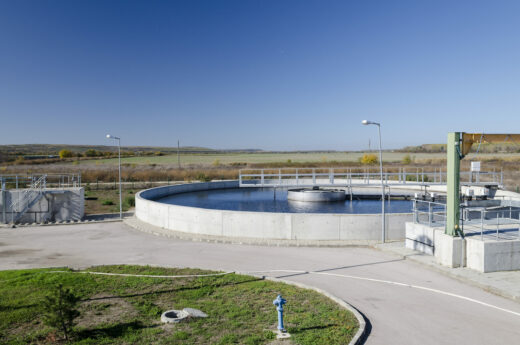
Wastewater treatment is done in 4 steps. The first is waste pre-treatment. This involves screening, grit removal and degreasing of industrial effluent. Screening involves passing the wastewater through a screen to clean the effluent and remove large solid waste. These can interfere with the further treatment of the effluent and even damage the machinery. Instead, grit removal involves removing solid waste larger than 200 μm (sand, gravel, heavy minerals) from the wastewater through a grit tank. Degreasing will be done to separate the water from the lighter fatty and oily materials through a process of buoyancy and rising velocity.
The next step in the wastewater treatment process involves biological treatment using activated sludge. It removes organic matter such as nitrogen, phosphate and carbon pollutants from the treated industrial effluent. It is a biological wastewater treatment process using free culture. In the third stage, the effluent is treated by clarification to separate water from sludge. The liquid obtained is 90% depolluted and can then be discharged into nature. The last step consists in treating the sludge obtained after the effluent treatment. The objective here is to be able to easily transport and store the residual solid sludge.
JC France Industrie for the treatment of industrial effluents
For the treatment of industrial and municipal effluents, JC France Industrie is the ideal partner. It is a company specialized in the supply of industrial and urban wastewater treatment equipment for over 20 years. This structure offers bar screens, rotary screens, flotation devices… The quality for the treatment of industrial and municipal effluents, JC France Industrie is the ideal partner. We are a company specializing in the supply of industrial and urban wastewater treatment equipment for more than 20 years. We offer bar screens, rotary screens, floats… Our quality products are available in a wide range to meet all expectations. Contact us to learn more about our products.