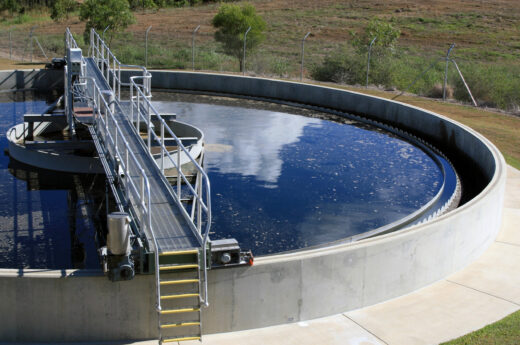
After industrial or domestic use, water becomes polluted by various biological, physical or chemical substances and must be discharged into the environment. This is known as wastewater and requires treatment in a wastewater treatment plant before it can be returned to the water cycle. To optimize the performance of the wastewater treatment network, JC France Industrie offers top quality and durable equipment, particularly for wastewater screening. From definition to management and treatment, here are the essentials to know about wastewater.
The different types of wastewater
Wastewater is altered by all forms of human activity. Following its use, water becomes significantly loaded with undesirable biological, physical and chemical matter (heavy metals, sand, food waste, fecal matter, plastics, protozoa, parasites, paints…). It is then necessary that the water undergoes a treatment in a wastewater treatment plant before being released into the environment. We distinguish between domestic wastewater, industrial wastewater, agricultural wastewater and runoff.
Domestic wastewater
Water quality is altered by domestic or household activities. There is grey water with a low pollutant load that comes from showering, washing, dishwashing, laundry and bathing. There is also black water which contains highly polluting elements such as cosmetics, urine, body fluids, fecal matter… This is the pollution of water used for flushing toilets. Domestic wastewater can also contain cooking oils, pesticides, beverages or paint.
Industrial wastewater
This is effluent generated by industrial activities. It includes effluents from sewage treatment plants and drainage from industrial sites. Different categories of pollutants can be contained in this water :
organic waste : produced by hospitals, slaughterhouses, food factories, agricultural laboratories, pharmaceutical laboratories,
Toxic substances : from hydraulic fracturing, cyanide production, metal plating, gas production,
biocides and sludge : contained in the cooling water of industrial engines.
This industrial wastewater is therefore full of pollutants that must be treated at all costs, with their reuse.
Agricultural wastewater
This water is polluted due to various agricultural activities: washing of dairies, washing of milking rooms and equipment, cleaning of agricultural installations and means of transport, washing of animals, etc.
Runoff water
This is rainwater or car wash water. It is contaminated during runoff by rubber residues, volatile organic compounds, feces, oils, pesticides/herbicides, heavy metals, etc.
Why treat wastewater ?
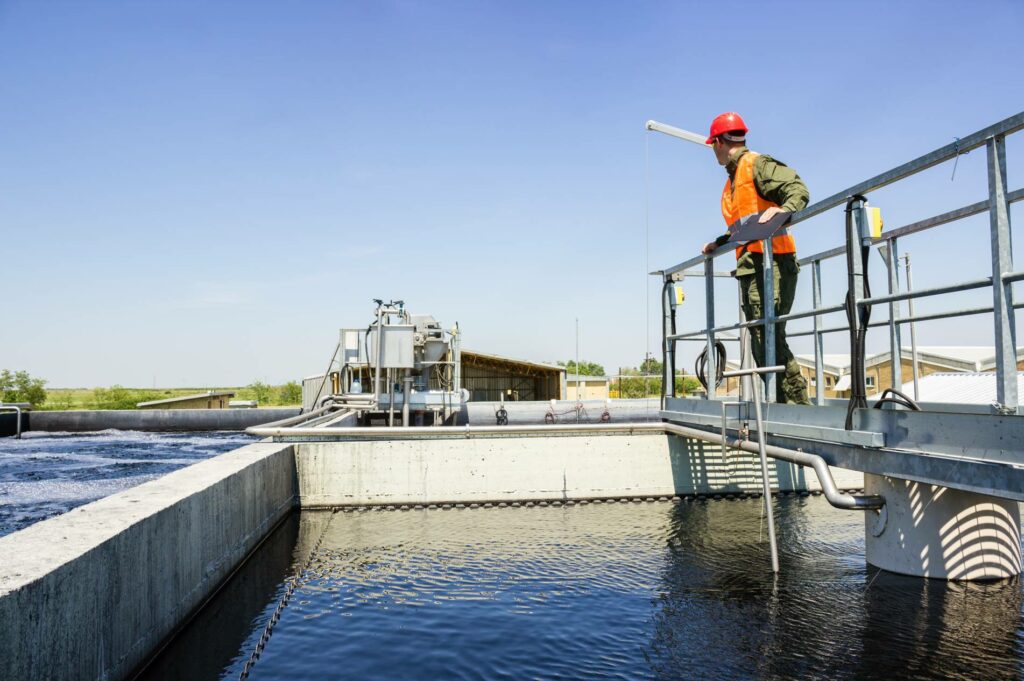
The treatment of polluted water in wastewater treatment plants is necessary in order not to disrupt the natural water cycle. The treatment of polluted water favors a better preservation of the aquatic fauna and flora. The discharge of too much untreated wastewater into watercourses weakens the oxidative self-purification process of rivers and streams. All the oxygen present in the environment is used by aerobic bacteria for the biodegradation of polluting materials.
As a result, the aquatic fauna and flora (which have a vital need for oxygen) can no longer develop, which damages the entire ecosystem of the area. The substances in these waters can also form large barriers that prevent fish from migrating. Dissolved phosphorous materials also promote the growth of harmful algae. Apart from that, the treatment of effluent prevents groundwater pollution, soil pollution and also the emission of foul odors in the contaminated area.
How is the wastewater treated ?
Wastewater treatment plants help to manage and treat the polluted water collected in the sewage basins. Successively, the treatment plant gets rid of the solid, biological and chemical materials that make the water unfit. Screening is the main step in the pre-treatment phase. With the help of a screen, bulky solids (plastics, branches, etc.) are removed from the wastewater. Screening is very important to preserve the optimal functioning of the other wastewater treatment equipment of the wastewater treatment plant.
With JC France Industrie, it is possible to find an excellent quality bar screen for wastewater treatment plants to satisfy every purpose of use. The brand offers reliable, durable automatic bar screens that can be customized according to the quality of the water to be treated. Whether it is a coarse or fine bar screen, a static bar screen or a mesh bar screen, these are references that perfectly combine performance and low price that are available for a fast and efficient sanitation.
The water treated with the bar screen then goes through the stages of sand removal, degreasing and oil removal for the mechanical elimination of sand, gravel, oil, petrol and grease. In the next phase of biological treatment, the water is directed to a tank where activated sludge feeds on dissolved pollution, carbon, nitrogen and phosphorus. 90% of the impurities are thus eliminated. The wastewater now goes to a special tank, the “clarifier”, where the treated water is separated from the sludge (impurities) by decantation.
This treated water can then be discharged into the environment, if tests confirm that it has the required regulatory quality. Part of the recovered sludge will be reinjected into the activated sludge basin to continue the biological treatment of other volumes of effluent. The other part will be dehydrated to be incinerated or to help manufacture fertilizer.
Wastewater is the result of pollution of clean water by human activities, whether domestic, industrial or agricultural. For the sanitation of polluted water, JC France Industrie provides automatic bar screens tailored to the needs of the actors concerned.